GuidesChapter 4 · Online Stores
Product Lot Number Explained: What It Tells You
A product lot number identifies one production run. Find and decode the code on packaging to trace batches and check product freshness before you buy.
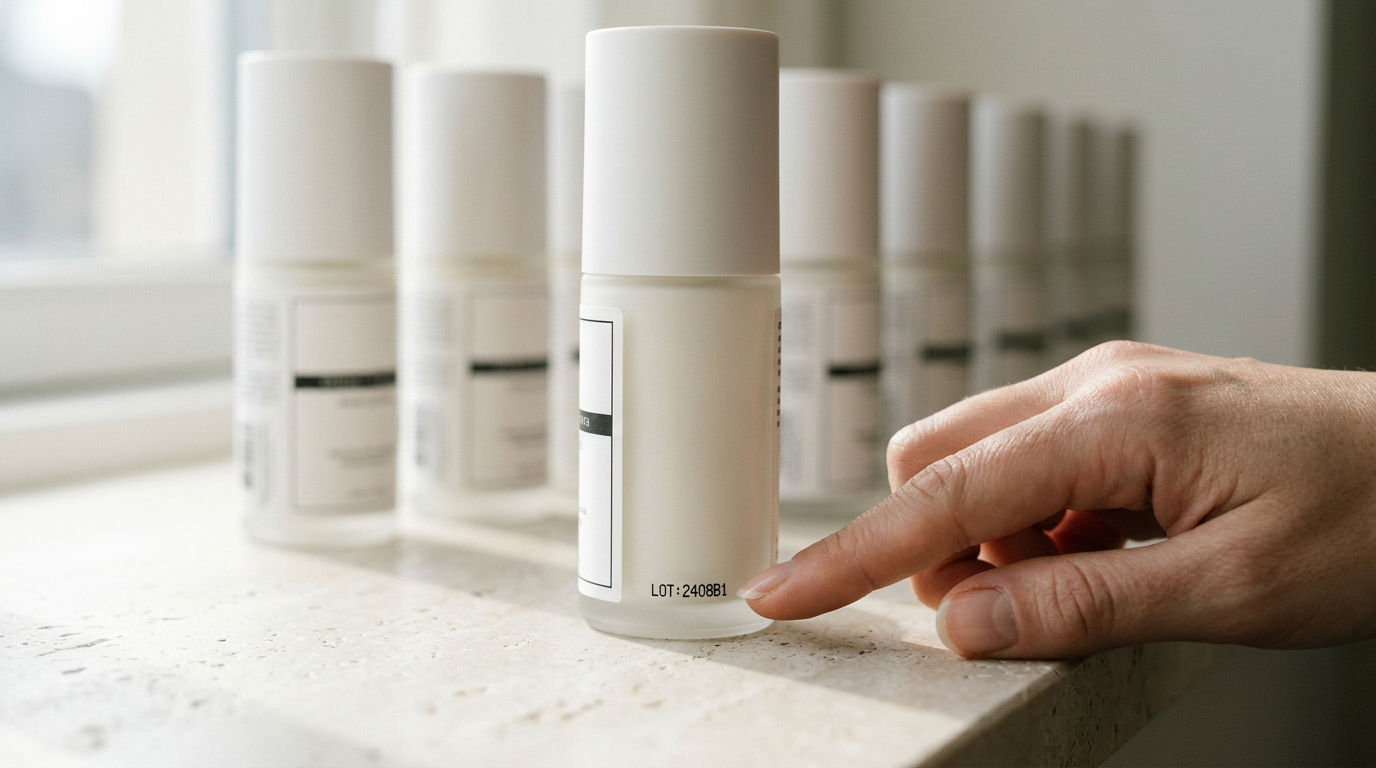
In short
A product lot number is a code that identifies a group of items made together in one production run, unlike a serial number for one item or a barcode that identifies the product. It can help trace a problem to a specific batch, check when an item was made, and organize stock, though each brand uses its own code and may need to confirm how to read it. Checking the code can help shoppers assess freshness and sellers manage recalls or customer questions without pulling every item.
Pick up a jar of jam or a bottle of lotion and you’ll likely spot a short code on the packaging. That’s a product lot number (often called a batch number), which identifies a group of items made together in one production run.
Think of it as a fingerprint for a batch.
Whether you’re shopping for skincare or selling your own goods online, that code matters. It helps you check freshness, trace a problem back to one batch, and keep stock organized.
Here’s what we’ll cover, from reading the code to showing it on your own store listings.
What a Product Lot Number Tells You
A lot number is a code printed on a product that marks the batch it came from. It’s easy to overlook, but it answers questions your barcode never will.
Batch numbers reveal the production date
A lot number works as a key to manufacture date. Knowing a brand’s code lets you work out when a product was made. Because lot numbers track production dates, a maker can follow every item from a single run.
Each brand sets its own coding system, so one brand’s pattern won’t decode another’s. If the brand publishes its code, trust that over a guess.
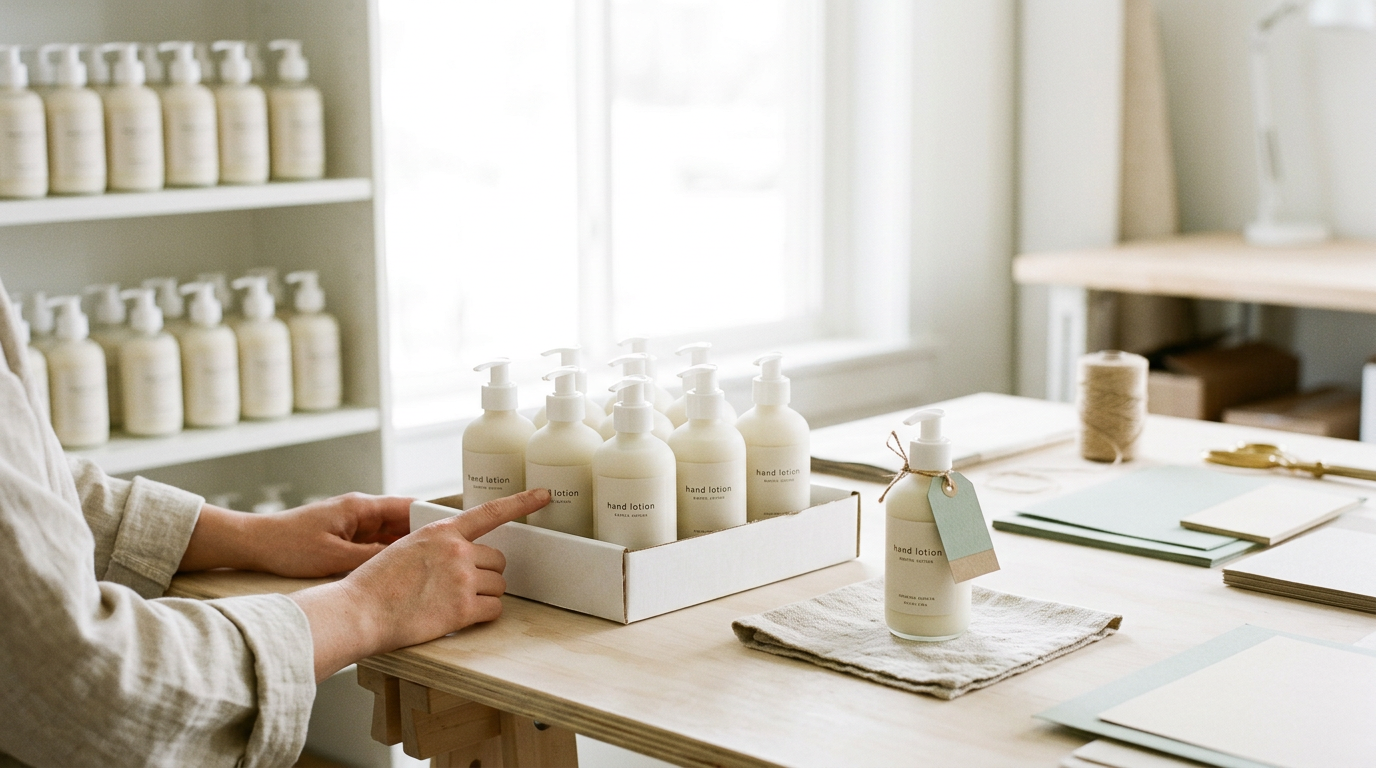
Here’s where it gets practical. Say you sell hand lotion online, and a customer reports a problem with one bottle. The lot number shows which batch it came from, so you can pull that batch, not your whole stock.
That’s why lot numbers matter so much for recalls and traceability.
Don’t mix this up with a serial number, which is unique to one item. A lot number points to a group of identical products made together, while a serial number points to a single item.
How batch codes differ from barcodes
A batch code is printed on the product, while the barcode is the pattern a scanner reads at the till. Here’s how they compare:
- Barcodes are static. The same barcode prints on every unit of a product, so it identifies the item, not the batch it came from.
- Barcodes can’t reveal expiry. A scan tells the till what a product is, not when it expires.
One is for the till. The other is for you.
Finding and Decoding Your Batch Number
Most products carry a batch number, a code that ties it to a single production run. Here’s how to find it, read it, and handle a lookup that comes up empty.
Where to spot the number on containers
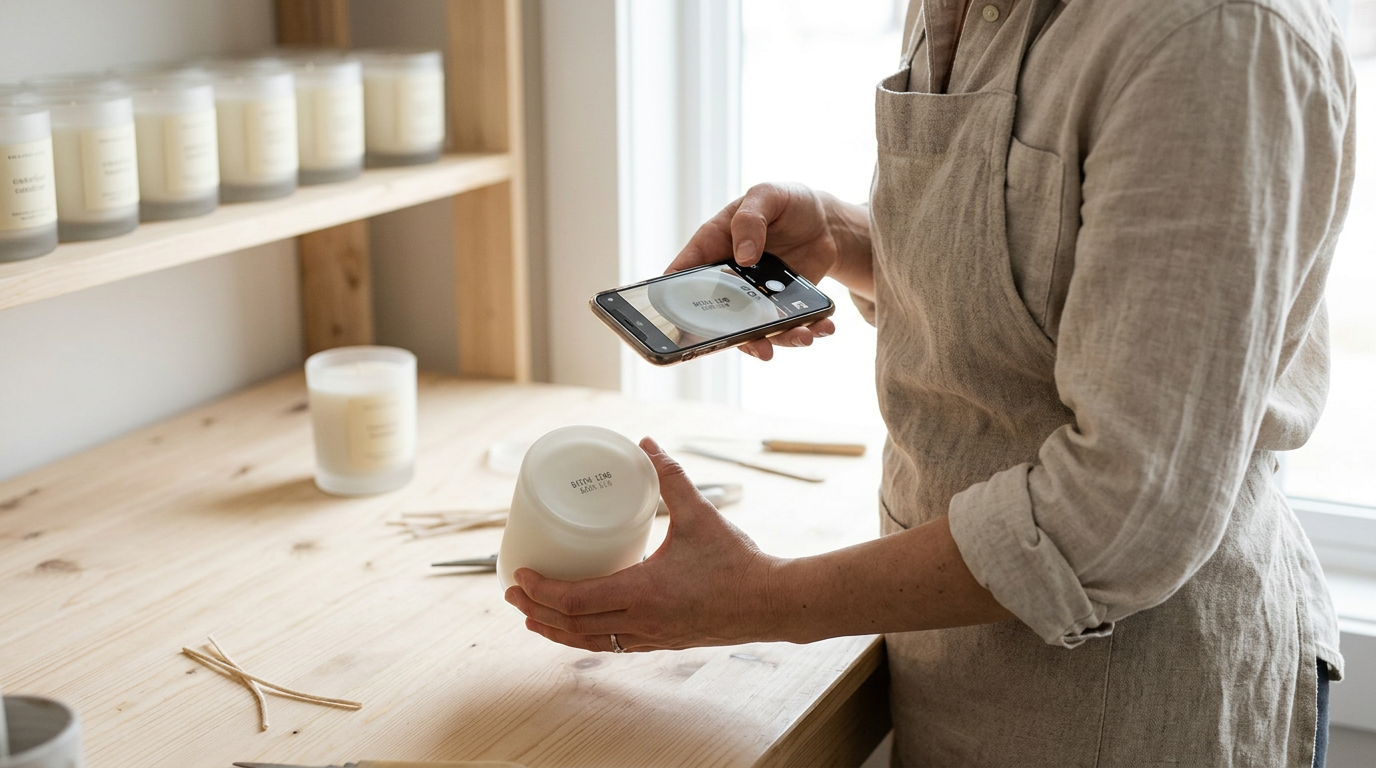
Look for the batch number printed or stamped right on the container, usually on the bottom. Flip the jar, bottle or box before you give up. Ink can be faint or hidden under a label, so snap a close-up photo and zoom in.
Look for the code, not the symbol: the lot number identifies the batch, while the expiry symbol is a separate mark with its own job.
Take a candle maker who gets a complaint about one jar. She flips it, photographs the stamped code, and pulls just that batch instead of her whole shelf.
To check a perfume’s batch number, start with the bottle base and the outer box. Food and supplement packaging works the same way, so check the bottom first.
How do I tell the expiration date?
Once you have the code, enter it into an online checker tool. Checkfresh is one example of these tools. If the checker returns a production date, you can derive the expiry from it.
That’s how to tell the expiration date on cosmetics: decode the code, then work out expiry from the production date. Two steps, and you’re done.
When online checkers come up empty
Smaller brands are often missing from these checkers, so a blank result is common, not a dead end. Contact the brand directly with the code and a photo, and ask them to confirm how old the product is. Just ask.
Shopping for Fresher Products
Where you buy can matter as much as the lot number itself. Here’s how the source shapes freshness.
When retailers sell old stock
Stores don’t always sell their newest batches first, and the packaging won’t reveal how long an item has sat on the shelf. The question isn’t whether a shop carries a product.
It’s how long that product has been there, and the lot number is your best clue.
A third-party retailer resells products made by someone else. Each handoff between the brand and the shelf is another chance for stock to sit longer than planned.
Consider a first-time boutique owner restocking serums from a wholesaler. Before shelving the delivery, she checks the lot numbers. When one batch looks older, she asks for newer stock instead of selling it.
Her shoppers get fresher bottles, and she avoids complaints about weak old product.

Buy direct from brands for freshness
When you buy straight from the brand, the company that made the product also controls how it’s stored before shipping. That control helps keep products fresher, since fewer handoffs mean fewer warehouses where a product can wait.
This matters most for products with unstable actives. Actives are the ingredients doing the real work, and some lose strength over time, so going direct is your safest bet. Check before you pay.
The same habit works on your side of the counter if you sell. Assign a lot number to every batch you make or receive, and record it in your order records. When a customer asks which batch they bought, you can answer in seconds.
Once you can read a lot number, that tiny code stops being a mystery. It tells you which batch you’re holding, helps you choose fresher products, and gives you a clean way to track your own goods as you grow.
So the next time you pick up a jar, bottle, or box, take five seconds to find the code. Five seconds of checking now saves a lot of guesswork later.
Questions
How to check the expiry date of any product?
Check the product for a lot or batch code, usually stamped or printed on the bottom of the container or box. Enter it into a brand-specific or online batch-code checker to find the production date, then use the brand’s guidance to determine expiry; if the code cannot be decoded, contact the manufacturer.
How to tell the expiration date on cosmetics?
Look for the lot or batch code, often on the bottom of the container or outer box, and enter it into an online checker such as Checkfresh. If it gives a production date rather than an expiry date, use that to work out the expiry; contact the brand if the code does not return a result.
How can I check the batch number of a perfume?
Check the base of the perfume bottle and the outer box for a printed or stamped batch code. You can enter the code into an online checker, or contact the perfume brand with the code and a photo if you need help identifying it.
Where to find lot number on product?
Look for the lot or batch number printed or stamped on the product container, often on the bottom. It may also be on the outer box, and faint ink or a label can make it harder to spot.